
Yearly Archives - 2026

retail analytics

How to Spot the Right Retail Analytics Partner for Multi-Unit Growth

Scaling from 10 to 100+ stores is more than a real estate play; it’s a visibility challenge. Without accurate data on what’s happening at the sales floor level, across dozens or hundreds of locations, growth stalls. That’s why retail analytics companies are no longer optional; they’re highly critical for multi-unit operators. But with dozens of vendors...

retail store management system

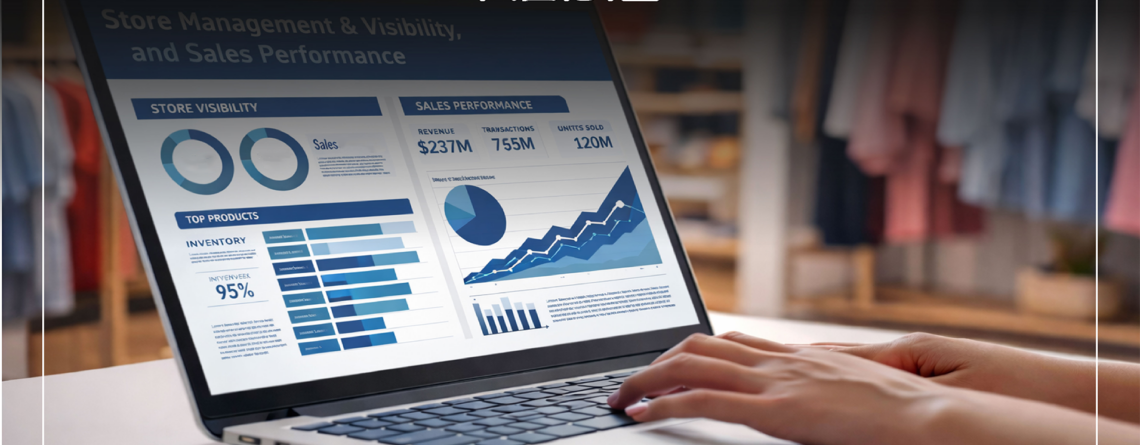
How a Retail Store Management System Unlocks Visibility and Sales Performance

Fragmented data. Limited visibility. Inconsistent performance.Retailers face these problems every day, and they’re paying for it in lost sales, poor staffing decisions, and missed growth opportunities. Without clear insight into store operations, even top-performing teams can underdeliver. That’s where a retail store management system changes the game. By centralizing data, tracking key performance metrics, and delivering...

retail analytics

Beyond Dashboards: What Retail Analytics Will Look Like in 2026

Retail analytics is entering its next phase. For the past decade, dashboards helped retailers measure what happened: sales by hour, traffic by day, labor as a percent of revenue. Useful but limited. In 2026, that won’t be enough. Why? Because retail decision-making is moving faster than humans can manage with charts alone. Multi-unit operators need systems...

Retail Analytics Metrics

7 Retail Analytics Metrics: What Every C-Suite Leader Should Track Weekly

As a C-suite leader in retail, you're no stranger to the challenges of staying ahead in a fast-paced market. But here's the thing: without the right data at your fingertips, it's tough to make proactive decisions. As you’ve grown, are you now guessing when it comes to sales performance, inventory levels, customer engagement or other...

retail analytics (Loss Prevention)

Loss Prevention Through Data: How Retail Analytics Reduces Payroll Fraud and Protects Millions in Margin

For multi-unit retail leaders, timekeeping gaps often go unseen. Most retailers know when employees are scheduled and when they are clocked in, but they lack a reliable way to verify if those employees were actually present. That gap opens the door to payroll fraud, costing retailers an estimated 7–15% in overpayments on average. ReBiz closes that...