
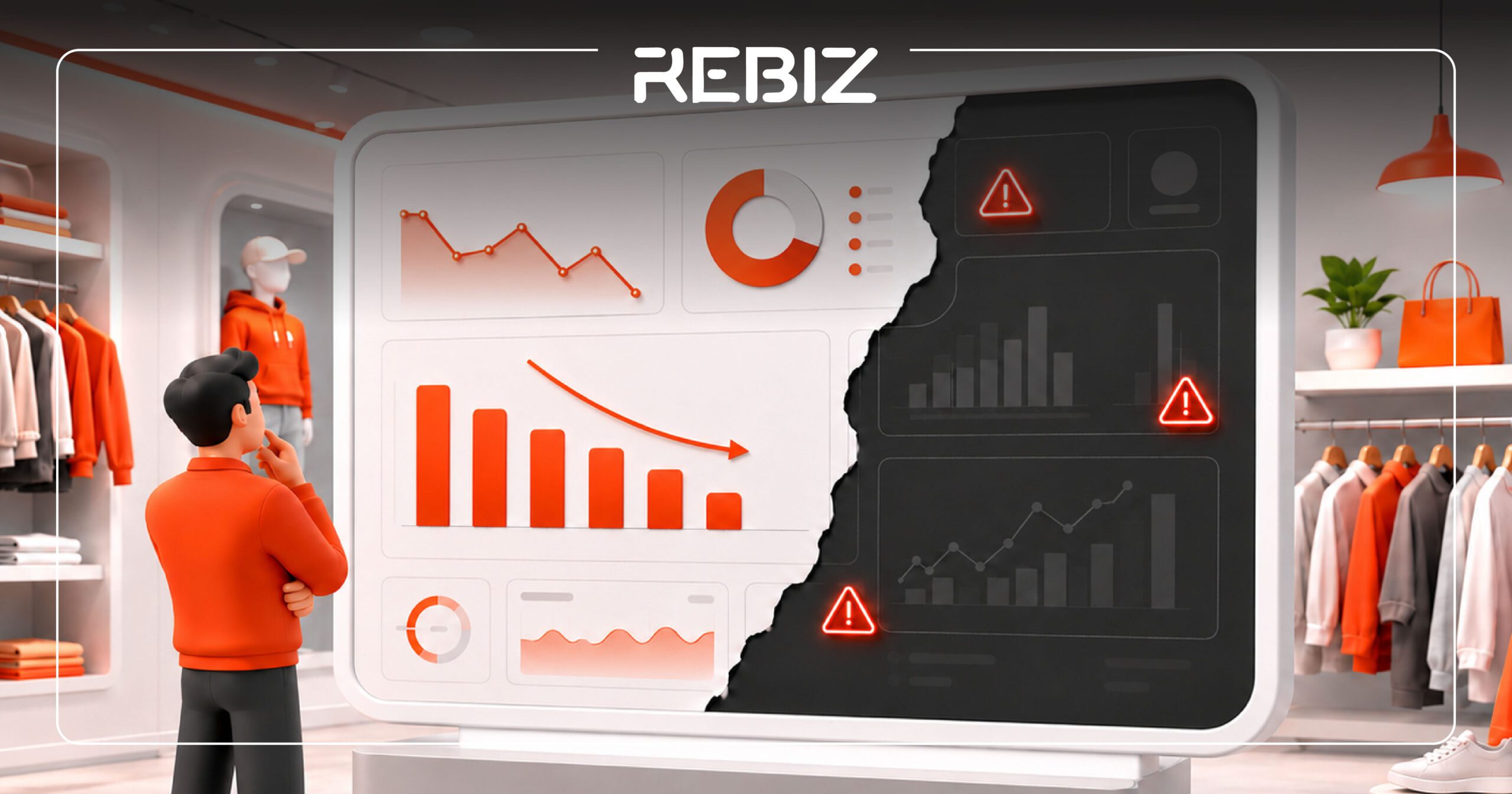
A retailer running 40 locations can pull conversion, traffic, and labor data inside two minutes. What that data cannot tell them is whether the store opened on time, whether a rep was on the floor when the Saturday peak hit, or why one location is converting at 9% when the one three miles away is at 31%. The numbers show the gap. Store monitoring explains it.
Key Takeaways
- Store monitoring reveals operational issues, compliance gaps, and execution failures that traditional retail analytics platforms often overlook.
- Effective store monitoring helps retailers identify lost sales opportunities caused by unattended customers and inconsistent in-store execution.
- Centralized store monitoring improves operational visibility, employee accountability, and compliance across multiple retail locations.
- AI-powered store monitoring combines operational data and video intelligence to provide deeper context behind performance metrics.
- Strong store monitoring enables faster decision-making by turning operational insights into actions that improve store performance.
What Traditional Analytics Platforms Track Well
Most retail analytics systems are designed to measure outcomes.
Common metrics include:
- Sales performance
- Transactions
- Traffic counts
- Conversion rates
- Labor costs
- Average transaction value
- Inventory movement
These metrics help leaders understand what happened.
A decline in conversion rates, for example, may indicate a problem. A drop in traffic may explain lower sales. A rise in labor costs may signal scheduling inefficiencies.
The challenge is that these reports rarely explain why those results occurred.
That is where store monitoring becomes essential.
The Operational Blind Spots Hidden Behind the Numbers
A store may hit its sales targets while still experiencing operational issues.
Another location may miss targets despite having strong customer demand.
Without store monitoring, many operational realities remain invisible.
Examples include:
- Late store openings
- Early closings
- Empty sales floors
- Unattended customers
- Employee presence issues
- Missed operational procedures
- Safety violations
- Inconsistent customer interactions
- Compliance failures
Traditional reports often cannot identify these situations because they are focused on outcomes rather than execution.
Effective store monitoring helps retailers understand whether daily operations are being executed as intended.

Why Store Monitoring Matters More Than Ever
Retail operations have grown increasingly complex, with multi-unit operators managing dozens, hundreds, or even thousands of locations, far more than regional leaders can physically visit regularly.
That gap creates real visibility challenges.
Strong store monitoring by ReBiz provides operational oversight between site visits. It allows leaders to verify what is happening across locations instead of relying solely on assumptions or manager reporting.
The value of store monitoring extends across several areas.
Lost Sales Opportunities
Customers who enter a store but do not receive assistance represent missed revenue.
Without store monitoring, unattended traffic may go unnoticed for weeks.
Monitoring customer engagement, employee availability, and interaction patterns helps operators identify opportunities to improve performance before sales are lost.
Compliance Failures
Most retailers have operating procedures designed to protect customer experience, brand standards, and business performance.
However, maintaining consistency across multiple locations can be difficult.
Store monitoring helps verify that critical procedures are being followed and identifies areas requiring follow-up.
Staffing Inefficiencies
Many scheduling decisions rely on assumptions rather than verified operational data.
Store monitoring can uncover:
- Understaffed periods
- Overstaffed periods
- Empty locations
- Employee attendance concerns
- Idle time trends
This creates better visibility into labor utilization and operational efficiency.
Customer Experience Inconsistencies
A brand promise is only as strong as its execution.
Store monitoring helps identify locations where customer experiences differ from expectations. This visibility allows managers to address issues before they impact customer loyalty or reviews.
Risk and Liability Exposure
Operational risks often emerge long before they appear in reports.
Store monitoring can help identify issues related to safety procedures, employee conduct, and operational compliance, providing greater awareness and accountability.
Historical Reporting Versus Operational Intelligence
Most analytics platforms focus on historical reporting.
They answer questions such as:
- What happened last week?
- What was our conversion rate?
- How did sales compare to last month?
These insights are valuable, but they are retrospective.
Store monitoring adds operational intelligence by helping operators understand what is happening now and what actions may be required.
This shift from historical reporting to operational visibility enables faster decision-making and more effective management.
How Supervised AI and Video Intelligence Add Context
Retailers already generate large amounts of operational data.
The challenge is connecting that data to actual behavior inside the store.
Modern store monitoring solutions combine operational data, video intelligence, and AI-assisted analysis to create a more complete picture.
Rather than simply reporting a result, these systems help explain:
- What occurred
- When it occurred
- Where it occurred
- Why it may have happened
This context turns raw information into actionable insight.
Centralized Visibility Across Multiple Locations
As organizations grow, operational consistency becomes harder to maintain.
Store managers may have visibility into their location, but executives need visibility across the entire organization.
Centralized store monitoring helps create a common source of operational truth across stores, districts, and regions.
This enables faster issue identification, stronger accountability, and more informed decision-making.
Improving Store Monitoring in Your Business
Retailers looking to improve operational visibility should focus on:
- Establishing measurable operational standards
- Creating consistent compliance processes
- Monitoring customer experience execution
- Tracking employee presence and engagement
- Leveraging existing camera infrastructure
- Centralizing operational reporting
These steps help create stronger accountability and improve day-to-day execution.
Conclusion
Retail performance is influenced by far more than sales reports and dashboards.
The operational behaviors occurring inside each store every day often determine whether performance improves or declines.
Store monitoring helps uncover the execution gaps, compliance issues, customer experience challenges, and operational inefficiencies that traditional analytics platforms frequently miss.
ReBiz helps multi-location retailers transform existing camera infrastructure into operational intelligence, providing the visibility needed to understand what is happening across stores and make faster, more informed decisions every day.

FAQs
1. What is store monitoring in retail?
Store monitoring is the process of tracking operational activities, employee behaviors, customer interactions, and compliance standards within retail locations.
2. Why is store monitoring important?
Store monitoring helps retailers identify operational issues, improve accountability, maintain compliance, and deliver more consistent customer experiences.
3. How does store monitoring differ from retail analytics?
Retail analytics primarily measures outcomes such as sales and conversion rates, while store monitoring provides visibility into the operational activities that influence those outcomes.
4. Can store monitoring improve store performance?
Yes. Store monitoring helps identify execution gaps, staffing issues, compliance concerns, and customer service opportunities that affect performance.
5. How does AI support store monitoring?
AI can analyze operational patterns, identify exceptions, and surface insights that help retailers understand what is happening across locations more efficiently.
6. Is store monitoring useful for multi-location retailers?
Store monitoring is particularly valuable for multi-location retailers because it provides centralized visibility across stores, districts, and regions.

